PRODUCT LIST
Long Khanh rambutan is one of the most famous tropical fruits of Southeast Vietnam. It is not only popular in the domestic market but also exported to countries such as China, Laos, Cambodia, Malaysia… This fruit has a distinctive, mildly sweet flavor and juicy texture, highly appreciated for its quality and safety.
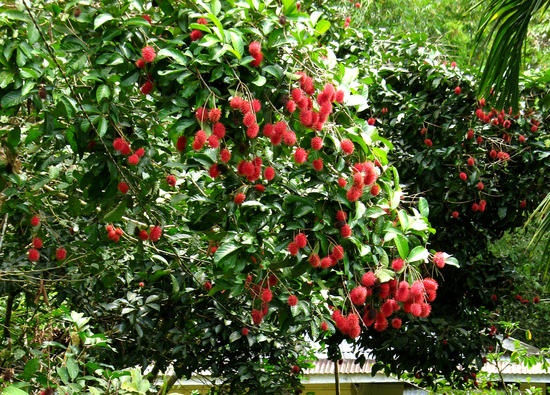
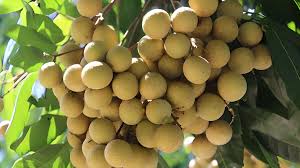
Long Khanh Rambutan Orchard, Dong Nai. Illustrative archival photo.
On June 24, 2008, the Intellectual Property Office of Vietnam granted Geographical Indication Registration Certificate No. 00021 for the "Long Khanh" rambutan product, with the People's Committee of Dong Nai Province as the managing organization.
Long Khanh rambutan has long been a symbol of local pride, deeply rooted in daily life and associated with the fertile and lush image of the region:
“Long Khanh’s rambutan, brightly red,
Sweet and refreshing, a taste of heartfelt love.”
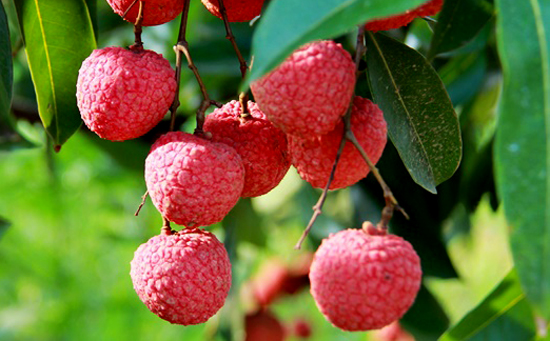
The fruit is round to oval, with an average weight of 50–70g. When ripe, the skin turns bright red or reddish-yellow, with soft, sparse spines. The flesh is thick, translucent white, juicy, crisp, and sweet, with a small seed and non-adhering flesh. The total sugar content ranges from 16–20° Brix, and vitamin C content is approximately 30–40 mg/100g of pulp.
Long Khanh rambutan is grown mainly on gentle hills with an average elevation of 50–150 meters above sea level. The basaltic red soil is rich in nutrients and well-drained. Combined with the tropical monsoon climate – distinct rainy season, average temperatures of 25–27°C – the region provides ideal conditions for the trees to thrive, produce sweet, uniform fruits with minimal pests.
Local farmers have a long-standing tradition of cultivating rambutan, with expertise in seed selection, flowering techniques, organic fertilization, and sustainable farming practices. Many cooperatives and households meet VietGAP standards, participate in clean supply chains, and apply traceability systems, thereby enhancing the product’s reputation and export value.
Long Khanh Town and surrounding regions, Dong Nai Province.